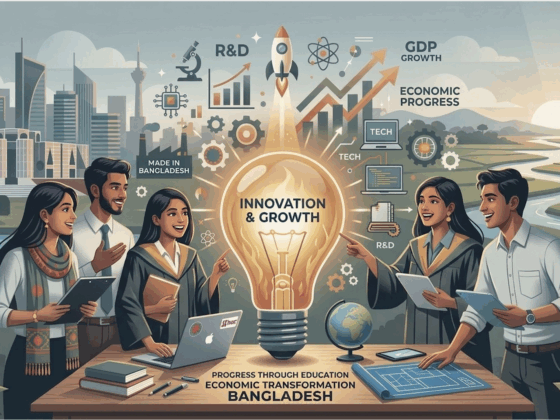
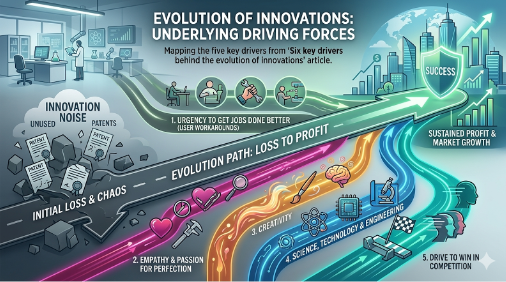
The intersection of creativity, knowledge, and a structured, profit-driven approach to Innovation is essential for fostering sustainable economic growth through technological advancements. In this context, creativity generates novel ideas. However, for generating ideas, creativity must be fed with relevant science or knowledge. Besides, knowledge provides the framework for understanding and applying those ideas. However, to truly leverage these for Wealth creation, the innovation process requires systematic guidance—a flow of ideas that continuously refines product quality, minimizes costs, and meets market demands. Hence, creativity must get the input from urgency and science base for generating a systematic Flow of Ideas. For leveraging ideas, mere ideas are not good enough. We need to go beyond ideas. Let’s explore how creativity, knowledge, and strategic economic policies combine to fuel this systematic progression of innovation, addressing both the potential and limitations of each factor.
1. Creativity: The Seed of Innovation
Creativity serves as the foundation of the innovation process by enabling the generation of new and inventive ideas. Through creative thinking, entrepreneurs and innovators can challenge the status quo, imagine alternative solutions, and inspire novel concepts. For instance, Thomas Edison’s invention of the lightbulb stemmed from the creative insight to improve upon existing lighting solutions, transforming everyday life and sparking further advancements in electricity usage.
However, creativity alone is often insufficient for turning ideas into scalable solutions. While creative ideas might solve unique problems, they also need to be made practical, affordable, and accessible to reach larger markets. Without a framework for systematically channeling creative insights into productive endeavors, many ideas risk remaining as mere concepts. Besides, creativity engine must be empowered with relevant scientific knowledge.
2. Knowledge: Building Blocks for Application
In the context of innovation, knowledge acts as the practical backbone that enables creativity to generate innovative ideas. Knowledge gained through STEM education, research, and professional experience empowers innovators to understand complex problems and devise feasible solutions. For instance, advancements in computer science, biotechnology, and materials science have laid the groundwork for revolutionary products, from smartphones to renewable energy sources.
Knowledge provides innovators with the tools to harness creativity effectively. For example, the development of 3D printing technology leveraged existing principles of computer-aided design and manufacturing but creatively applied them to produce complex and customizable objects. Here, knowledge enables the realization of creative ideas but also highlights a gap: knowledge without a focused purpose may lead to stagnant innovation if it lacks direction toward economically viable outcomes.
3. Systematic Idea Flow: Bridging Creativity and Knowledge
To effectively turn creativity and knowledge into wealth, innovation needs a systematic approach to channel ideas into processes that yield higher quality at lower cost. This approach, called systematic idea flow, builds a feedback loop between market needs and technological possibilities. Through systematic refinement, ideas evolve to become more efficient and cost-effective over time, creating a foundation for long-term economic growth.
This structured approach resembles a framework used in lean manufacturing and continuous improvement, where processes are incrementally improved to reduce waste and increase value. For example, Toyota’s lean production system exemplifies systematic idea flow by constantly refining production processes to optimize efficiency and minimize costs, all while improving quality. In this way, the company created wealth by maximizing profits from reduced waste and satisfying customer needs for reliable, affordable cars.
By ensuring a structured progression of ideas, systematic idea flow transforms creativity and knowledge from abstract concepts into actionable innovation that can be scaled. In this sense, the urgency of making a profit motivates businesses to continuously improve their offerings to maintain relevance and competitiveness. Consequentially, creativity keeps producing ideas in fueling long wave of innovation.
4. Economic Policies and Market Dynamics
To support the application of creativity, knowledge, and systematic idea flow, economic policies must align with these principles, fostering an environment conducive to innovation. Policies that incentivize research and development (R&D), protect intellectual property, close all other counterproductive options of making profit, incentivize quality improvement and cost reduction through ideas, and encourage entrepreneurship create an ecosystem where innovation can thrive. For instance, the success of Silicon Valley is not solely due to the concentration of creative talent but also to the supportive policies, investment culture, and risk-tolerant environment that encouraged experimentation and growth.
However, beyond policy, a culture that values profit-driven innovation helps maintain momentum for wealth creation. When economic conditions reward businesses that balance quality improvement with cost reduction, the market fosters continuous innovation cycles. For instance, South Korea’s focused investment in electronics and automotive sectors, coupled with R&D incentives, led to global competitiveness in products like Samsung’s smartphones and Hyundai’s cars.
5. Ethics, Beliefs, and Social Responsibility
In addition to policies and market conditions, ethics and societal values play a vital role in guiding the purpose and direction of innovation. A focus solely on profit can sometimes lead to ethically questionable practices, as seen in cases where companies prioritize short-term gains over societal impact. Hence, a balanced approach is necessary—one that encourages innovation for profit but also upholds ethical standards and social responsibility.
For instance, while pharmaceutical companies operate on profit-driven models, the recent COVID-19 pandemic highlighted the importance of balancing profitability with societal well-being. The urgency to create and distribute vaccines at affordable prices was met by companies that invested in R&D and leveraged systematic idea flows to reduce costs without sacrificing quality. This example underlines the potential for aligning profit motives with societal needs.
6. Practical Applications and Real-World Implications
The systematic flow of ideas can be seen in numerous industries that have transformed products to become both affordable and highly functional. Take the computer industry, where creativity, technical knowledge, and systematic improvement have allowed computers to evolve from expensive, bulky machines to sleek, affordable devices accessible to millions worldwide. Here, an emphasis on profit-driven refinement led to major leaps in accessibility and usability, allowing computers to become an integral part of daily life.
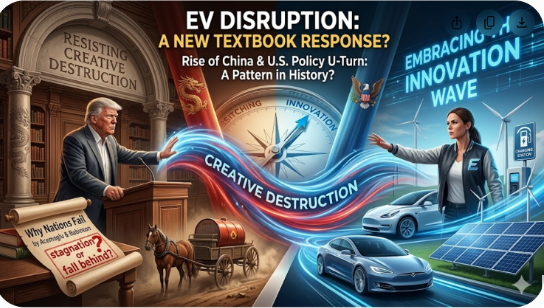
Similarly, the automotive industry has witnessed Waves of Innovation driven by systematic idea flow. The evolution from fuel-intensive to electric vehicles (EVs) illustrates the shift from a focus on mere transportation to broader themes of environmental sustainability and energy efficiency. By investing in R&D and incorporating continuous improvements, companies are better able to offer high-quality EVs at increasingly competitive prices, making them accessible to a wider market.
Conclusion
In summary, while creativity and knowledge are vital to the innovation process, they require structured support to generate sustainable economic growth. By fostering systematic idea flow within an environment that values profit-driven innovation, we can create a cycle of continuous improvement that benefits both businesses and society. Through policies that encourage R&D, a culture that values quality improvement at lower costs, and ethical standards that guide purposeful innovation, we can turn creativity and knowledge into wealth. This approach is essential for realizing the true potential of innovation, creating wealth, empowering workers, and ultimately improving quality of life.
By connecting the dots between creativity, knowledge, economic policies, and ethics, we can drive a future where innovation is both profitable and socially responsible. The pursuit of better products at affordable prices, driven by systematic refinement, not only boosts profits but also meets the evolving needs of a global society.
Key Takeaways
Here are five key takeaways from the essay on leveraging creativity and knowledge for wealth creation through systematic innovation:
- Creativity and Knowledge as Foundations: While creativity generates novel ideas and knowledge provides practical insights, neither alone is sufficient for innovation. Systematic refinement of ideas is necessary to transform them into scalable solutions that drive economic growth.
- Importance of Systematic Idea Flow: Systematic idea flow bridges creativity and knowledge, ensuring a structured process for improving product quality and reducing costs. This approach supports continuous enhancement, expanding markets by making innovations more affordable and functional over time.
- Economic Policies that Foster Innovation: Policies supporting R&D, entrepreneurship, and intellectual property rights create an ecosystem conducive to innovation. For example, targeted investment policies and tax incentives have helped regions like Silicon Valley thrive as innovation hubs.
- Balancing Profit Motives and Ethics: Focusing on profit-driven innovation, while crucial for sustaining momentum, must align with ethical standards. Responsible innovation serves societal needs, illustrated by the rapid, affordable COVID-19 vaccine distribution that balanced profitability with public health priorities.
- Real-World Implications Across Industries: Industries such as automotive, technology, and pharmaceuticals demonstrate the benefits of systematic idea flow. By refining products incrementally, companies not only meet market needs but also create wealth and expand access, improving quality of life for consumers globally.
These takeaways underscore the value of integrating creativity, knowledge, and structured innovation to foster economic growth and societal progress.
Research Questions
Here are five research questions based on the essay:
- How do systematic idea flows impact the scalability and profitability of innovations in technology-intensive industries?
- What role do government policies and economic incentives play in fostering environments that support systematic innovation beyond traditional R&D?
- In what ways can ethical considerations be integrated into profit-driven innovation frameworks to ensure societal benefits?
- How does the balance of creativity, knowledge, and structured processes affect the long-term success and sustainability of innovations?
- What are the barriers to implementing systematic idea flow in industries heavily reliant on creativity, and how can they be overcome?
These questions aim to explore the integration of creativity, knowledge, and systematic processes within innovation strategies across various sectors.