In a Market Economy, profitable Innovation is an open invitation for competitors to enter and claim their share. Regardless of the brilliance of an idea or the strength of a patent barrier, the potential for profit attracts followers who use various strategies, including replication, imitation, innovation, and substitution, to carve out their niche. These dynamics ensure that innovation alone cannot guarantee sustained dominance. Historical and modern examples highlight how followers challenge the original innovator, reshaping industries and driving further innovation. This article explores these competitive responses from cloning to innovating, emphasizing the mechanisms through which they erode exclusivity and foster market evolution.
Replication: Cloning to Capture Profits
Replication involves directly copying a product, often bypassing intellectual property (IP) protections. Certain governments support replication by overlooking IP violations, promoting local firms’ growth through the cloning of successful foreign products. This strategy is particularly prevalent in markets where the goal is to boost domestic industries quickly.
For instance, several companies in emerging markets replicated popular Western consumer electronics to cater to local needs. The cloning of products like smartphones, consumer appliances, and software has led to the growth of regional markets, providing affordable alternatives to premium offerings. However, this practice often ignites legal battles and raises ethical questions about IP enforcement.
Imitation: From Borrowing to Innovating
Imitation goes beyond replication, focusing on selectively borrowing elements of a product—such as features, design, or functionality. Over time, imitators may evolve into innovators, contributing original advancements to the market.
The case of Samsung’s response to Apple’s iPhone serves as an iconic example. Initially, Samsung imitated Apple’s multitouch interface and sleek design in its smartphone lineup. However, it quickly progressed to adding unique features, such as superior cameras and foldable screens, distinguishing itself from Apple. This evolution underscores the blurred line between imitation and innovation, as imitators often leapfrog their initial inspirations.
Brands like Oppo and Vivo represent another dimension of imitation. Instead of focusing on specific features, they emulate the entire product concept, offering affordable alternatives to Apple’s iPhone. These imitators thrive in price-sensitive markets, where cost efficiency outweighs brand loyalty, resulting in market expansion.
Innovation: Innovators as Competitors
Not all followers are mere imitators; some respond to innovation by delivering better solutions. This is particularly evident when competitors leverage new technological advancements or redefine customer expectations.
Apple’s entry into the smartphone market itself exemplifies this strategy. The company introduced multitouch technology, replacing the physical keyboards and styluses that dominated earlier designs. This component-level substitution shifted the industry paradigm, rendering companies like Nokia obsolete. Apple’s innovation demonstrates that the role of followers can extend to disrupting incumbents, creating opportunities for industry-wide transformation.
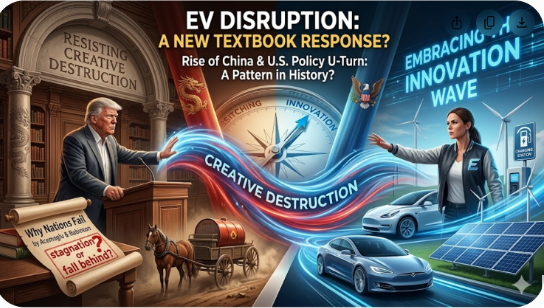
Similarly, innovations in electric vehicles (EVs) are being driven by a mix of Startups and established automakers. Companies like Tesla, which disrupted the market, now face competition from incumbents such as Ford and General Motors, as well as emerging players in China, like BYD. These firms innovate to improve on Tesla’s EV technology, fostering a competitive cycle of product refinement.
Substitution: The Role of Technology Cores
Substitution involves replacing components or systems within a product to enhance its value proposition. This strategy allows followers to address unmet needs while maintaining compatibility with existing user habits.
Apple’s replacement of keyboards with multitouch interfaces in smartphones revolutionized user interaction, making older designs less appealing. Similarly, in the lighting industry, the transition from tungsten filaments to compact fluorescent lamps (CFLs), and later to LEDs, illustrates how technology core substitutions can redefine markets. Each substitution raised performance standards and lowered costs, compelling lagging competitors to adapt or exit.
Technology substitution is not without challenges. For incumbents, it creates discontinuities that disrupt established value chains and customer relationships. For new entrants, it offers opportunities to gain a foothold, often reshaping industry landscapes.
Erosion of Willingness to Pay
The entry of followers and the resulting competition lead to a decline in willingness to pay (WtoP) for the original product. This decline is driven by several factors:
- Replication and Imitation: Clones and imitations dilute the perceived uniqueness of the original product, forcing the innovator to lower prices.
- Innovation: Competitors introducing superior alternatives erode the value proposition of the initial offering.
- Substitution: As newer, more efficient components replace older ones, customers shift their preferences, reducing demand for legacy products.
These forces make it imperative for innovators to release successive better versions, continuously enhancing performance, features, and cost-effectiveness. For instance, despite its initial success, even the iPhone faces relentless pressure to evolve due to competition from brands like Samsung and Xiaomi.
The Role of Ecosystem and Externalities
While competition exerts downward pressure on WtoP, positive externalities can offset these effects. Externalities arise from factors such as:
- Complementary Goods and Services: The availability of compatible accessories, apps, and services enhances product Utility, raising WtoP.
- Network Effects: As more users adopt a product, its value increases for everyone, creating a self-reinforcing demand cycle.
- Infrastructure and Standards: Improvements in connectivity, compatibility, and industry standards make products more accessible and appealing.
Successful innovators leverage these externalities to sustain and grow market demand. For example, Tesla has capitalized on the development of charging infrastructure and government incentives to enhance the appeal of its EVs.
Implications for Innovators
The inevitability of competition necessitates a proactive approach to managing innovation. Key strategies include:
- Continuous Improvement: Innovators must prioritize incremental advancements to stay ahead of competitors.
- Intellectual Property Management: While patents provide temporary protection, innovators should focus on building a dynamic innovation pipeline to maintain relevance.
- Ecosystem Development: Collaborating with partners to develop complementary products and services can amplify the value of the original innovation.
- Adaptability: Embracing technology core changes ensures long-term competitiveness, even at the cost of short-term disruptions.
Conclusion
In the competitive arena of the market economy, no innovation is immune to the forces of replication, imitation, innovation, and substitution. These forces challenge innovators to continually reinvent their offerings, sustaining customer interest and profitability. While competition exerts downward pressure on willingness to pay, positive externalities provide opportunities for growth. The interplay between these dynamics shapes the trajectory of innovation, ensuring that markets remain vibrant and ever-evolving. For innovators, success lies in embracing this reality and navigating it with agility and foresight.
Five Key Takeaways of Cloning to Innovating
- Competitive Entry Is Inevitable: Regardless of an idea’s greatness or patent protection, the market economy ensures that competitors will enter through replication, imitation, innovation, or substitution to capitalize on profit opportunities. This dynamic fuels continuous market evolution.
- Declining Willingness to Pay (WtoP): The entry of competitors—whether through cloning, feature imitation, or innovation—erodes the original product’s WtoP, pushing innovators to release better and more cost-effective versions to sustain demand.
- Innovation Pipeline Is Critical: Patents provide temporary shields, but long-term success requires a sustained innovation pipeline, enabling firms to stay ahead of competitors and adapt to shifts in consumer preferences and technological advances.
- Externalities Shape Market Trajectories: Positive externalities, such as complementary goods, network effects, and infrastructure improvements, can offset competitive pressures by increasing product utility and accessibility, creating growth opportunities for innovators.
- Technology Core Substitution as a Game-Changer: Innovations often demand technology core changes to drive progress and maintain relevance. These changes, while disruptive, enable both incumbents and new entrants to redefine industries and capture new value.
Research Questions about Cloning to Innovating
- Replication and Imitation:
- How do varying levels of intellectual property enforcement across countries influence the prevalence and impact of product replication and imitation on market competition?
- Innovation and Substitution:
- What strategies can firms adopt to leverage component-level substitution as a competitive advantage while mitigating risks of being displaced by new entrants?
- Competitive Dynamics:
- How does the timing and intensity of innovation responses from followers like Samsung affect the market positioning of pioneers such as Apple?
- Consumer Willingness to Pay (WtoP):
- What role do positive externalities, such as network effects and complementary goods, play in counterbalancing the decline in WtoP caused by competition?
- Survival of Market Leaders:
- What organizational and strategic capabilities are critical for pioneers like Nokia to adapt and compete when faced with disruptive threats such as technology core changes?