The allure of unicorn Startups — private companies with valuations exceeding $1 billion — has captivated investors and entrepreneurs alike over the past decade. However, the once-glittering race to build unicorns is increasingly littered with failures, turning these mythical creatures into “unicorpses.” As Bloomberg reports, a growing number of startups once celebrated for their valuations have faced catastrophic collapses. Notable examples include Convoy, the Seattle-based freight network startup, whose valuation fell from $3.8 billion to zero, and Byju’s, the Indian EdTech giant, which plummeted from $22 billion to insolvency. Such examples have increased the urgency about how to avoid becoming a unicorpse. These failures reveal deeper flaws in the prevailing investment thesis and underscore the critical need for startups to win the flywheel effect race of scalable digital technology cores to avoid becoming unicorpses.
The Valuation Mirage: Chasing Unicorns with Subsidies
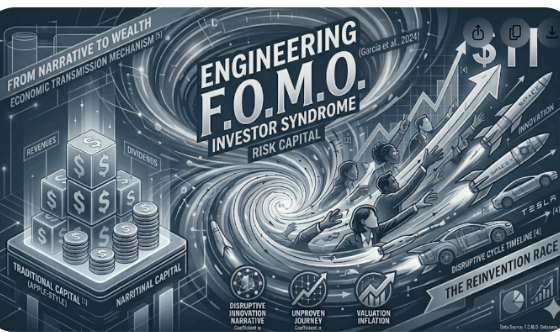
Over the past decade, the narrative of digital disruption fueled a gold rush. Investors, rather than rigorously evaluating the foundations of scalable businesses, poured capital into ideas promising inflated valuations. The core components of digital technology—smartphones, mobile internet, and cloud platforms—offered immense potential for reinventing industries. However, instead of leveraging this potential to build profitable business models, many startups pursued growth through aggressive customer acquisition subsidies. This created a bubble where valuations were driven by metrics like user growth rather than sustainable profitability.
Early-stage investors capitalized on this frenzy by reporting capital gains tied to inflated valuations. They attracted followers, sparking a race to the bottom as startups prioritized valuation growth over sound business fundamentals. Consequently, the collective valuation of unicorns swelled to $2 trillion, even as many operated at perpetual losses. However, with rising interest rates and dwindling enthusiasm for unprofitable businesses, the tide began to turn. Many startups faced the harsh reality of being unable to raise fresh funds to sustain loss-making operations, leading to an alarming rise in unicorpses.
The Wrong Thesis: Misunderstanding the Digital Reinvention Journey
The collapse of once-promising startups highlights the flawed investment thesis behind many unicorns. A critical misstep has been the failure to recognize that, despite the strength of the digital technology core, all ideas emerging from it initially manifest as inferior alternatives to existing solutions. The mainstream market—accustomed to mature and refined offerings—often rejects these early emergences.
Instead of addressing this challenge by penetrating nonconsumption markets and refining their offerings to achieve profitability, many startups pursued aggressive entry into mainstream markets using minimum viable products (MVPs). Subsidies masked the deficiencies of these MVPs, creating the illusion of market acceptance. However, as user bases grew, so did losses, compounding the problem. Without sustained VC funding to cover these losses, many startups faced abrupt valuation collapses.
To avoid becoming unicorpses, startups must adopt a fundamentally different approach. They must:
- Start with Nonconsumption Markets: Begin by addressing unmet needs in niche markets, where competition is minimal and early adoption can occur profitably due to uniqueness.
- Refine the Scalable Technology Core: Use insights from early adopters to iteratively improve the offering, reducing costs and increasing value.
- Create the Flywheel Effect: Build momentum by achieving profitability in nonconsumption markets, which funds further refinements and facilitates eventual penetration of mainstream markets.
The Flywheel Effect: Harnessing the Power of Scalability
At the heart of successful digital reinvention lies the concept of the flywheel effect. This effect describes the self-reinforcing cycle where early successes generate momentum, driving growth, profitability, and further Innovation. Startups leveraging the scalable nature of digital technology—characterized by low marginal costs and high network effects—can achieve market dominance if they execute this process effectively.
However, achieving the flywheel effect requires discipline and strategic focus. The journey involves overcoming initial rejection, optimizing the technology core, and gradually expanding into larger markets. Startups that fail to create this self-sustaining cycle risk stagnation, dependency on external funding, and eventual collapse.
Lessons from Failure: The Risks of Scale without Substance
The transition from unicorn to unicorpse has not only impacted startups but also posed risks to broader ecosystems. For example, Tesla, despite its current market dominance, faces significant risks if it fails to maintain profitability while scaling its electric vehicle (EV) business. High valuations based on speculative growth rather than solid financial performance make even established players vulnerable. Similarly, SpaceX and XAI could face similar challenges if they fail to demonstrate sustainable business models.
The lessons from Convoy, Byju’s, and others reveal that scale without substance is unsustainable. These failures underscore the voidness of reporting huge valuations disconnected from the underlying ability to create Wealth through profitable revenue generation.
Creating Sustainable Wealth: Avoid to Becoming a Unicorpse
To avoid the unicorpse trap, startups must focus on creating real wealth rather than chasing inflated valuations. This involves:
- Understanding the Market Dynamics: Recognize that early-stage offerings will be inferior and focus on finding markets where they can succeed profitably.
- Building a Robust Technology Core: Invest in the refinement of digital technology to deliver scalable and cost-effective solutions.
- Prioritizing Profitability over Growth: Adopt a disciplined approach to growth, ensuring that customer acquisition costs are justified by long-term value.
- Resisting the Subsidy Trap: Avoid dependency on external funding to artificially sustain unprofitable operations.
- Leveraging Network Effects: Utilize the unique advantages of digital platforms to create competitive moats and drive long-term value creation.
The Broader Implications: Rethinking the Startup Ecosystem
The fallout from unicorn failures extends beyond the companies themselves, affecting employees, investors, and the broader economy. Job losses, evaporated assets, and wasted capital create significant pain, undermining trust in the startup ecosystem. To rebuild confidence, stakeholders must adopt a more nuanced understanding of what it takes to create sustainable businesses from digital technology possibilities in driving Creative Destruction.
This shift requires moving away from the obsession with valuations as a measure of success. Instead, the focus should be on building businesses that create enduring value by addressing real needs and achieving profitability. Investors, entrepreneurs, and policymakers must collaborate to foster an environment that encourages innovation while maintaining financial discipline.
Conclusion: Winning the Race of Scalable Digital Reinvention to Avoid Becoming a Unicorpse
The race to build unicorns has shown that unchecked pursuit of valuations leads to more unicorpses than success stories. To win the flywheel effect race of scalable digital technology cores, startups must adopt a disciplined, long-term approach. By starting with nonconsumption markets, refining their technology cores, and prioritizing profitability, they can build self-sustaining businesses that create real wealth.
The path to avoiding the unicorpse trap lies in embracing the reality of digital reinvention. Startups must recognize that initial inferiority is a natural part of the innovation journey and focus on overcoming it through iterative improvement. By creating the flywheel effect and leveraging the unique advantages of digital technology, they can achieve lasting success and contribute meaningfully to the economy.
In this new era, the true measure of success will not be billion-dollar valuations but the ability to create sustainable value, transform industries, and improve lives. The lesson is clear: the race to build unicorns must evolve into a race to build enduring, profitable businesses. Only then can the startup ecosystem realize its full potential and avoid the costly mistakes of the past.
Five key Takeaways about Avoid Becoming a Unicorpse:
- Chasing Valuation Without Substance is Unsustainable: Startups that prioritize inflated valuations through subsidies and customer acquisition often operate at perpetual losses, leading to collapses when funding dries up. This highlights the dangers of focusing on metrics like user growth instead of profitability.
- Nonconsumption Markets as a Starting Point: Successful startups begin by addressing unmet needs in nonconsumption markets, where early adoption can occur profitably. This approach allows for iterative refinement of the offering and builds a foundation for sustainable growth.
- The Flywheel Effect is Crucial: To achieve scalability and profitability, startups must harness the flywheel effect\u2014a self-reinforcing cycle of momentum fueled by early successes, cost optimization, and network effects. This is key to dominating markets sustainably.
- Avoid the Subsidy Trap: Over-reliance on external funding to mask unprofitable operations is a recipe for failure. Startups must focus on creating value through scalable technology cores and disciplined financial strategies.
- Valuation is Not Wealth Creation: The obsession with billion-dollar valuations often leads to the creation of “unicorpses.” Real wealth is created by building enduring, profitable businesses that address real needs, transform industries, and deliver sustainable value.
Research Questions about Avoid Becoming a Unicorpse:
- What are the key factors that lead to the failure of unicorn startups, turning them into unicorpses?
Significance: Investigate the underlying reasons for valuation collapses, such as flawed business models, reliance on subsidies, and failure to scale profitably, offering insights into avoiding such pitfalls. - How can startups effectively penetrate nonconsumption markets to create a sustainable growth trajectory?
Significance: Explores strategies for targeting underserved or untapped markets, which could provide a roadmap for startups to gain early traction and build the foundation for profitability. - What role does the flywheel effect play in transforming loss-making startups into sustainable, profitable businesses?
Significance: Examines the self-reinforcing dynamics of scaling through early successes, cost reduction, and network effects, highlighting its importance for long-term viability. - How do investor priorities influence the operational and financial strategies of startups?
Significance: Analyzes the impact of valuation-focused funding on decision-making and its contribution to the collapse of unicorns, offering lessons for both entrepreneurs and investors. - What measures can policymakers and investors adopt to promote sustainable innovation in the startup ecosystem?
Significance: Investigate frameworks and incentives to encourage financial discipline, reduce dependency on subsidies, and support the development of scalable, profitable business models.