THE WAVES
  • Home
  • News
    • Recent Updates
    • Weekly Newsletter
    • Monthly Newsletter
    • Quarterly Newsletter
  • Topics
    • Technology
      • Internet
      • AR/VR & Digital twins
      • Robotics
      • AI & Data Analytics
      • IoT & Wearable
      • Blockchain
      • Computing
      • Sensors & Perception
      • 3D Printing
      • Energy Tech
      • Space
      • Gadgets
    • Transformation
      • Education
      • Health
      • Transportation
      • Farming
      • Energy
      • Security
      • Mining & Blue Economy
      • Food & Living
      • Communication
      • Entertainment
      • Manufacturing
      • Work & Management
      • Public Service
    • Startups
      • Culture
      • Country
      • New Entry
      • Accelerators
      • Incubators
      • Death Valley
      • Investments
      • Exit & IPO
      • Valuation & Financing
      • Idea & IP
    • Education & Research
      • School
      • University
      • Academic Research
      • Corporate Research
      • Public-funded Research
      • Economics of Innovation
      • Growth Economics
      • Training
      • Publications
      • Patents & IP
    • Industrial Revolutions
      • Future of Work
      • Sustainable Development
      • Smart Manufacturing
      • Job Transformation
      • Industry Transformation
      • Competition & Monopoly
      • National Response
      • Education & Skills
      • Social Change
    • Investment & Review
      • Public
      • Corporate
      • Venture Capital
      • Capital Market
      • Philanthropy
      • Personality
    • Inventions
    • Automation
  • Strategy
    • Value Proposition
      • Product
      • Process
      • Sustainability Goals
      • Business Model
      • Complementary
      • Externality
    • Innovation
      • Disruptive Innovation
      • Incremented Innovation
      • Sustaining
      • Schumpeter’s Creative Destruction
      • Redesign for Winning
    • Competition
      • Leading
      • Following
      • Blue Ocean
      • Monopolisation
      • Porter’s Five Forces
      • Business Cycle
    • Intangible Assets
      • Human Capital
      • R&D Management
      • Tripple Helix
      • Intellectual Property
      • Productive Knowledge
      • Technology Managment
    • Competence
      • Organization Agility
      • Innovation Culture
      • Infrastructure
      • R&D facility
      • Great by Choice
      • Build to Last
      • Good to Great
    • Technology Acquisition
      • Scientific discovery
      • Invention
      • Fusion
      • Adaptation & Refinement
      • Licensing
      • Start-up acquisition
  • Policy
    • Technology Development
    • Industry
    • Innovation Diffusion
    • Jobs, Privacy & Security
    • Regulation & Law
    • Sustainability
    • Equity & Inclusiveness
    • Climate Change
    • Environment
  • Opinion
    • Opinion
  • Megatrends
    • Individual Preferences
    • Planet and Society
    • Technology
    • Political Economy
    • Market Power & Monopoly
    • Globalisation
    • Schumpeter’s creative destruction
    • Startups & VC
    • Human Role in Work
    • Value of Natural Resources
    • Patents & Ideas for Redesign
  • Publication
    • Case Studies
    • Magazine
    • Books
    • Reports
    • White Papers
    • Journals
THE WAVES In-depth investigation on Technology, Society, and Policy dynamics for interpreting the past as well as present, and predicting the future so that success rate of pursuing ideas, start-ups, and innovation economy increases.

Technology, Society and Policy

Winning and Losing in Reinvention Race : keeps unfolding: --making America’s innovation bucket leaky, creating prosperity out of reinvention, and turning invention successes transitory
THE WAVES
  • Home
  • News
    • Recent Updates
    • Weekly Newsletter
    • Monthly Newsletter
    • Quarterly Newsletter
  • Topics
    • Technology
      • Internet
      • AR/VR & Digital twins
      • Robotics
      • AI & Data Analytics
      • IoT & Wearable
      • Blockchain
      • Computing
      • Sensors & Perception
      • 3D Printing
      • Energy Tech
      • Space
      • Gadgets
    • Transformation
      • Education
      • Health
      • Transportation
      • Farming
      • Energy
      • Security
      • Mining & Blue Economy
      • Food & Living
      • Communication
      • Entertainment
      • Manufacturing
      • Work & Management
      • Public Service
    • Startups
      • Culture
      • Country
      • New Entry
      • Accelerators
      • Incubators
      • Death Valley
      • Investments
      • Exit & IPO
      • Valuation & Financing
      • Idea & IP
    • Education & Research
      • School
      • University
      • Academic Research
      • Corporate Research
      • Public-funded Research
      • Economics of Innovation
      • Growth Economics
      • Training
      • Publications
      • Patents & IP
    • Industrial Revolutions
      • Future of Work
      • Sustainable Development
      • Smart Manufacturing
      • Job Transformation
      • Industry Transformation
      • Competition & Monopoly
      • National Response
      • Education & Skills
      • Social Change
    • Investment & Review
      • Public
      • Corporate
      • Venture Capital
      • Capital Market
      • Philanthropy
      • Personality
    • Inventions
    • Automation
  • Strategy
    • Value Proposition
      • Product
      • Process
      • Sustainability Goals
      • Business Model
      • Complementary
      • Externality
    • Innovation
      • Disruptive Innovation
      • Incremented Innovation
      • Sustaining
      • Schumpeter’s Creative Destruction
      • Redesign for Winning
    • Competition
      • Leading
      • Following
      • Blue Ocean
      • Monopolisation
      • Porter’s Five Forces
      • Business Cycle
    • Intangible Assets
      • Human Capital
      • R&D Management
      • Tripple Helix
      • Intellectual Property
      • Productive Knowledge
      • Technology Managment
    • Competence
      • Organization Agility
      • Innovation Culture
      • Infrastructure
      • R&D facility
      • Great by Choice
      • Build to Last
      • Good to Great
    • Technology Acquisition
      • Scientific discovery
      • Invention
      • Fusion
      • Adaptation & Refinement
      • Licensing
      • Start-up acquisition
  • Policy
    • Technology Development
    • Industry
    • Innovation Diffusion
    • Jobs, Privacy & Security
    • Regulation & Law
    • Sustainability
    • Equity & Inclusiveness
    • Climate Change
    • Environment
  • Opinion
    • Opinion
  • Megatrends
    • Individual Preferences
    • Planet and Society
    • Technology
    • Political Economy
    • Market Power & Monopoly
    • Globalisation
    • Schumpeter’s creative destruction
    • Startups & VC
    • Human Role in Work
    • Value of Natural Resources
    • Patents & Ideas for Redesign
  • Publication
    • Case Studies
    • Magazine
    • Books
    • Reports
    • White Papers
    • Journals

  • Education & Skills
  • Great by Choice
  • Growth Economics
  • Human Capital

Education without Passion Stalls Development—lessons from the history

  • Md. Rokonuzzaman
  • Created: August 18, 2020
  • Last updated: January 28, 2022
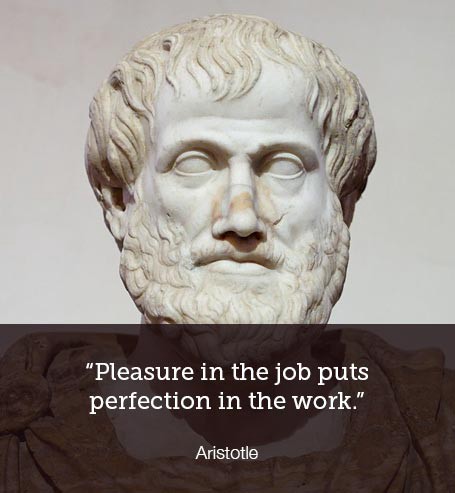
Education without passion stalls development, as it fails to prepare the future workforce to pursue relentless journey of perfection by ideas

The Passion for Perfection leads to the production of ideas and their integration into products and processes. Subsequently, it leads to offering us increasingly better products at less cost to get our purposes served better. In fact, this ability to create ideas for producing increasing economic outputs is at the core of development. Unlike objects like labor and natural resources, ideas offer a far more scalable path of Wealth creation. Of course, the addition of scientific knowledge, earned through formal education, scales up this passion opening an endless frontier of growth. However, we suffer from the risk that education without passion stalls development. Let’s look into history to draw some lessons. 

After the second grade, Tokuji Hayakawa went for a job as an apprentice to a maker of metallic ornaments in Tokyo, due to his family’s poverty. Working as a child laborer, forbidden though, in the modern world, he developed a passion for the perfection of metallic instruments. At the age of 20, Mr. Hayakawa acquired the patent of an innovative water faucet in 1913. Just after two years, he invented the prototype of the Sharp automatic pencil still sold today. His passion continued to form a metal workshop in September 1912, which has grown as a global Innovation icon–Sharp Corporation. Like him, the founders of Honda, Panasonic, and Canon were driven by a passion for perfection, innovation, and invention. Invariably, they pursued them by capitalizing on their Craftsmanship skill earned through apprenticeship. 

However, cited examples from Japan are no exception. Once we look around, we find Thomas Alpha Edison, Steve Jobs, and Bill Gates also in this group. On the other hand, educated youths are looking for jobs, often without having a passion for perfecting anything. 

Contemporary education runs the risk–education without passion stalls development 

We are under the impression that there is a natural correlation between the degree of education and level of development or per capita income. Subsequently, development practitioners have come up with the policy of keep expanding education as much as affordable. Hence, developing countries are even in a race to borrow billions from international creditors to establish schools, colleges, skill development centers, and universities. They have also banned child labor and made it mandatory to send children to schools. In addition to offering incentives in the form of free books, meals, uniforms, and scholarships, many developing countries have also adopted laws to engage school-going children in productive activities as punishable offenses. Hence, it’s limiting the scope of developing passion and craftsmanship at an early age.     

Before having any understanding about the world around, kids, at the age of as low as 4, are getting occupied in absorbing formal Codified Knowledge. They remain fully busy in receiving education until they graduate at an adult age. They do not get any chance to do real-life work during this period as child labor is forbidden. In fact, they do not get any exposure to issues facing real-life—let alone developing the passion of perfecting and acquiring the skill of making anything. After graduation, they cannot develop such specious virtue, as it’s too late. Hence, they keep looking for jobs. 

On the one hand, formal education creates a barrier for the next generation to develop a passion for perfection and acquire craftsmanship skills to keep tinkering with ideas for perfecting. Besides, formal education focuses on delivering codified knowledge and expertise relating to the past and present. As a result, education systems do not even prepare them for an unfolding future, let alone empower them in driving them. 

Labor centric beginning of Malaysia’s High-tech economy stalls continued progression

Let’s look at the high-tech example from Malaysia. In 1972, Intel brought high-tech jobs to Malaysians. The journey started with the jobs of bonding semiconductors chips and testing them. As opposed to craftsmanship skills for tinkering, they needed codified knowledge and skill to qualify for the jobs. Intel offered needed training to intakes to make them eligible for the jobs. As the cost of labor in Malaysia was far lower than that of the USA, Japan, and Europe, many multinationals followed Intel’s path. Subsequently, Malaysia kept witnessing the rapid growth of high-tech jobs, as a labor supplier though. 

As opposed to generating ideas, Malaysians started adding labor to make ideas, developed somewhere else, tradeable in the global market. Over the decades, Malaysia has expanded the education system for supplying science and engineering graduates to the high-tech industry. Subsequently, multinationals have also expanded their productive activities to benefit from those new flows of knowledge workers. 

Over these 50 years, Malaysia has been blessed with millions of jobs and billions of dollars in revenue. But unlike Japan, Malaysia could not witness the uprising of not even a single company to generate and trade high-tech ideas as opposed to labor. The missing passion for perfecting high-tech products has been the root cause. Hence, Malaysia has reached the ceiling of earning from labor-based high-tech productive activities. Let’s assume that every country focuses on education. Before the passion grows, how will we get the capability of generating ideas for pursuing the journey of fueling a creative wave of destruction to keep offering us increasing prosperity? Hence it underscores the fear: education without passion stalls development.

Bangladesh’s RMG sector ends before opening an endless frontier of growth 

Similarly, let’s look into Bangladesh’s journey in the textile and ready-made garments industry. Bangladesh benefited from millions of jobs and billions of dollars in revenue flow. Besides, through the process, Bangladesh has acquired access to global supply chains and technologies. Due to the absence of passion, Bangladesh has failed to create any success story of innovation, whether in fabric, apparel, or machinery. Although this industry has uplifted millions out of poverty, due to automation, the unfolding future poses a threat of taking them back to square 1. The root cause has been the voidness of idea generation due to a lack of passion. The adding labor to ideas developed somewhere else gave short-term prosperity, but it has been failing to open an endless frontier of growth.      

Idea import-driven labor or resource-based economy stalls development 

Formal education prepares the workforce to add labor and knowledge to ideas for creating new wealth. Developing countries are already suffering from serious idea gaps. On the one hand, they rely on importing ideas from advanced countries to add value through labor and natural resources. On the other hand, the expansion of formal education is limiting the scope of developing a passion for generating ideas for expanding their economic value creation ability. As a result, these countries will have an increasing idea gap, leading to the whole educated population looking for jobs to work on imported ideas. 

The revenue generation from labor, knowledge and natural resources is linear. Such reality of adding value solely through imported ideas will have two major negative consequences. The first one is that even at full employment, their per capita income will stall. Furthermore, the advancement of industrial nations’ ideas is decreasing the market of value of labor and also knowledge. Therefore, the education preparing the workforce for adding value through labor and knowledge will not keep increasing their income level. They run the risk of failing to be high-income countries. Education without passion will not empower next-generation eligible to pursue the journey of perfecting for generating and trading ideas.   

Change education and cultural Values, and development perspective for avoiding the risk–education without passion stalls development 

It appears that we need to change the perspective of development and the role of education. As opposed to focusing on creating the passion of perfecting, the development of an educated workforce with formal education will not open the path of growth through ideas. Hence, the development will stall after showing some initial successes. Thus, the fear that education without passion stalls development progression needs serious attention. 
Enlighten others

Subscribe

Subscribe now to our newsletter

You May Also Like

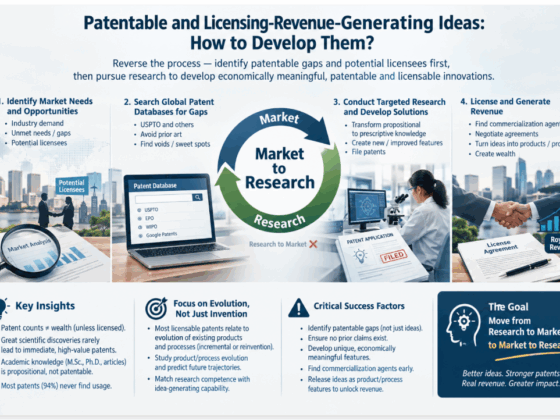
For producing patentable and licensable outputs, Universities should reverse the conventional research-to-commercialization process
View Post
  • 3 min

Patentable and Licensing-Revenue-Generating Ideas: How to Develop Them?

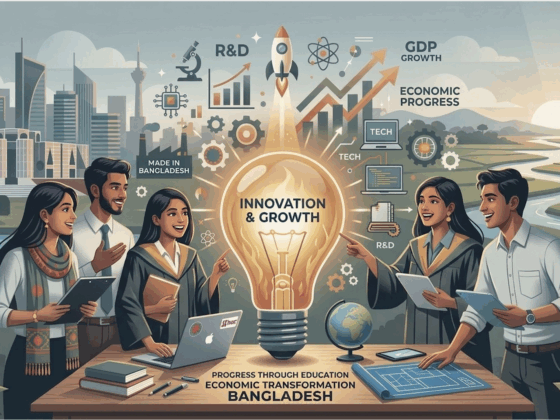
Bangladesh's complex development problem could be solved by driving the evolution of products and production processes through engaging local graduates in R&D
View Post
  • 3 min

Bangladesh Suffers from a Very Complex Problem: Is There a Simple Solution?

AI, Robotics, and the Myth of Effortless Abundance
View Post
  • 7 min

AI and Economic Abundance: Beyond the Hype

Leave a Reply Cancel reply

Your email address will not be published. Required fields are marked *

Subscribe

Subscribe now to our newsletter

Principles

  • Economics of Technology
  • Innovation Economics
  • Technology & Innovation Policy

History & Observations

  • Technology History
  • Innovation History
  • Strategy & Policy in retrospect
  • Entrepreneurs & Innovators
  • Startups & Corporations
  • Patents & Publications
  • Design & Redesign Thinking

About Us

  • Who we are
  • What we deliver
  • Genesis
  • Mission
  • Scope
  • Editorial & Advisory Board
THE WAVES
  • Contact
  • Advertise

Input your search keywords and press Enter.