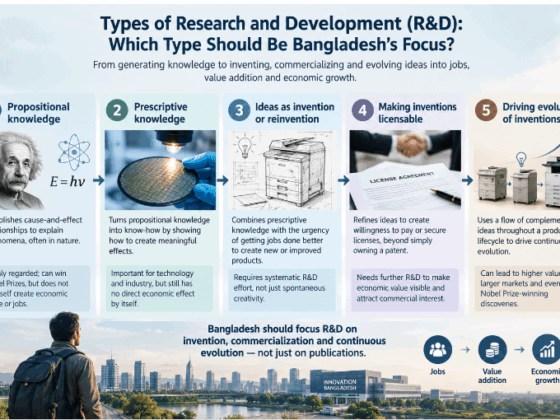
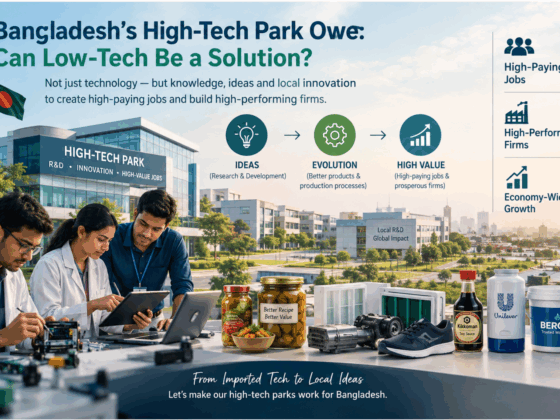
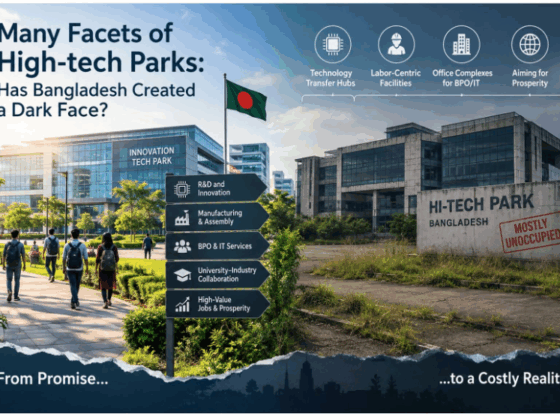
The landscape of prosperity out of Innovation is constantly shifting, with Disruptive technologies often emerging from the humblest of origins. However, when these innovations gain massive traction and redefine entire industries, it is almost always due to one key factor: proprietary technology core competence. The successful Reinvention of industries hinges on scalable, emerging technology cores that are owned, refined, and developed by companies that possess a unique and powerful competency in that technology. These competencies give Startups and incumbent innovation leaders alike the edge needed to drive their innovations far beyond the reach of their competitors, and they form the bedrock of the mega success that drives and sustains shareholder value into the billions.
At the heart of Disruptive innovation lies the ability to not just create new technologies but to refine and scale them in ways that unlock value on an enormous scale, resulting in winning the race for attaining price-setting capability. For this reason, tiny startups, through sheer ingenuity and proprietary technological competence, have transformed industries, created new markets, and made billions. Some of the most iconic companies of the last few decades—Microsoft, Apple, Sony, ASML, and Xerox—exemplify how proprietary technology core competence is essential for disruptive innovation success.
The Role of Proprietary Technology in Disruption
Proprietary technology is the lifeblood of disruptive innovation. A technology core that is owned and controlled by a company not only offers the potential for differentiation but also provides a platform upon which businesses can create products that outperform competitors’ offerings. This was the fundamental insight behind the growth of companies like Microsoft, Apple, and Sony, whose proprietary technologies allowed them to continually refine and enhance their products, leading to market dominance.
For instance, Microsoft turned the personal computer into a disruptive innovation with its ownership of the operating system. The company’s proprietary competence in software development allowed it to continuously refine and improve its operating system, creating Economies of Scope and generating network effects. The more applications Microsoft created for its platform, the more valuable the platform became, enabling the company to monopolize the personal computer market. This success, based on proprietary technology, turned Bill Gates into one of the wealthiest individuals in the world.
Similarly, Sony, while initially licensing its Transistor technology from Bell Labs, demonstrated superior proprietary competence in refining that technology and applying it to consumer electronics. This ability to enhance existing technologies led to innovations such as the transistor radio and the Walkman, products that revolutionized the consumer electronics market. In recognition of its excellence, Sony’s Engineer even earned a Nobel Prize for its technological contributions.
Apple, another quintessential example, gained its immense success not merely by innovating but by mastering the art of integrating various technologies into cohesive, user-friendly products. Apple’s proprietary technology competence, particularly in its operating systems, human-centric design, user interface, and hardware-software integration, was a key factor behind the success of the iPhone, which reshaped the mobile industry. The company’s ability to fuse technologies and offer products that were both advanced and intuitive helped it dominate the smartphone market.
Creative Destruction and the Power of Proprietary Core Competence
Disruptive innovation operates in cycles of “creative destruction,” where old technologies are replaced by new, more efficient ones. For these cycles to occur successfully, companies must not only identify opportunities for reinvention but also ensure that their technology is superior enough to drive mass adoption through rapid quality improvement and cost reduction out of a flow of idea. The companies that excel in this process are those that leverage their proprietary technology core competence to outpace the competition.
Take, for example, ASML, a company that produces extreme ultraviolet (EUV) lithography machines. These machines are critical for advancing semiconductor manufacturing, and ASML’s proprietary technology in this space has made it the dominant player in the market. The company’s deep expertise in EUV technology, combined with its ability to refine and scale this technology, has allowed it to maintain an edge over both startups and established incumbents in the semiconductor industry. This competence has positioned ASML as an essential player in the global supply chain for advanced semiconductors.
Xerox offers another lesson in how proprietary technology competence can drive disruptive innovation. Although Xerox’s innovation in the photocopying industry was groundbreaking, the company failed to fully capitalize on its technology. The Xerox Alto, for instance, was one of the first personal computers to feature a graphical user interface, yet the company did not develop this technology into the product ecosystem that companies like Apple later did. The key takeaway from Xerox’s story is that owning and refining a technology is not enough; the ability to leverage that technology for market advantage is crucial.
The Tesla Paradox: Innovation Without Proprietary Core Competence
One of the more striking examples of the importance of proprietary technology core competence—or the lack thereof—can be seen in Tesla. Despite its meteoric rise in the electric vehicle (EV) market, Tesla’s core technology competence is not entirely proprietary. While Tesla has been perceived a leader in the development of electric vehicles, its battery technology is sourced from external suppliers, such as Panasonic and CATL. The success of Tesla’s vehicles, therefore, depends on the continued advancement of battery technology, a field where its competitors are quickly gaining ground. Furthermore, the software powering Tesla’s EVs does not appear to have non-replicable proprietary elements. Besides, as autonomous driving module is faulty, software falls short in powering reinvention of automobiles, like the way Apple has done with mobile phones.
The rapid growth of companies like BYD and the advancements made by traditional automakers, such as Toyota’s solid-state battery development, pose significant challenges to Tesla’s future dominance. Without control over the core technology that powers its vehicles, Tesla is vulnerable to competitors who are advancing battery technology at a faster pace. Despite this, Tesla’s stock price has remained high (gained by over 100% over two months, between Oct 23-Dec 17, 2024), buoyed by investor enthusiasm due to the company’s promise of innovation and its CEO’s close connection with the US political powerhouse. However, this stock price growth may be unsustainable as Tesla fails to develop and maintain a non-replicable competitive edge in battery technology. The lesson here is clear: success in disruptive innovation is not just about creating hype or receiving government subsidies or regulatory support such as punitive tariffs against competitors; it is about owning and refining the core technology that drives your product’s success through superior quality at less cost.
Lessons from Disruptive Innovation Success Stories
The successes of Microsoft, Sony, Apple, ASML, and Xerox demonstrate the centrality of proprietary technology core competence in driving disruptive innovation. These companies were not simply innovators; they were masters at controlling and refining the technologies that powered their products. Their success was built on the ability to create and scale their proprietary technology, which allowed them to outpace their competitors and, in many cases, monopolize entire industries.
For entrepreneurs, venture capitalists, and governments, the key takeaway is the importance of identifying and investing in startups that possess unique, scalable, and proprietary technology cores. These technologies provide the foundation for growth and success, enabling companies to disrupt established industries and create new markets. Without this core competence, companies risk losing the innovation race, even if they have the funding, marketing, and public support necessary for success.
Conclusion: The Future of Disruptive Innovation
As the world continues to evolve, the companies that succeed in the next wave of disruptive innovation will be those that master proprietary technology core competence. Startups and incumbents alike must invest in developing technologies that cannot easily be replicated by competitors. This will ensure that they can not only create transformative products but also sustain their growth, win the competition, attain price-setting capability due to quality and cost advantage from scale, scope, and Network effect, and success over time.
The stories of Microsoft, Sony, Apple, and others serve as powerful reminders that the ability to control and advance proprietary technology is the key to unlocking the full potential of disruptive innovation. Without this essential competency, companies risk being overtaken by more agile and technologically advanced competitors. In the fast-paced world of innovation, the companies that hold the reins of proprietary technology will be the ones that shape the future and reap the rewards of mega success.
Key takeaways about proprietary technology core competence:
- Proprietary Technology Core Competence is Essential for Disruptive Innovation: Companies that control and refine proprietary technologies can create products that outperform competitors, enabling them to drive disruptive innovations and reshape entire industries.
- Successful Innovation Relies on Refinement and Scaling: It’s not enough to just invent a new technology. Companies like Microsoft, Sony, and Apple succeeded because they continuously refined and scaled their technologies, which led to massive market dominance.
- Creative Destruction Requires Technological Superiority: Disruptive innovations often replace outdated technologies. To succeed in this process, companies must own superior technology cores that allow them to outpace competitors and create value through economies of scope and network effects.
- The Tesla Paradox—Innovation Without Proprietary Control: While Tesla has disrupted the electric vehicle market, its reliance on external suppliers for battery technology limits its long-term competitive advantage. This highlights the critical importance of owning and controlling core technologies.
- Investing in Startups with Unique Proprietary Technologies: Entrepreneurs, venture capitalists, and governments should focus on identifying startups that possess scalable, proprietary technology cores. These startups have the potential to drive disruptive innovations and dominate industries, unlike those that rely on external technologies.
Research questions about proprietary technology core competence:
- How do companies with proprietary technology core competence maintain a competitive advantage in rapidly evolving industries?
- This question explores the long-term strategies that companies with unique, scalable technologies use to stay ahead of their competitors in industries marked by constant innovation.
- What role does proprietary technology core competence play in the success or failure of startups in disruptive innovation?
- This question focuses on understanding how having or lacking a proprietary technology core affects the growth trajectory and market positioning of startups in industries undergoing disruptive change.
- What are the key factors that drive the refinement and scaling of proprietary technologies in successful disruptive companies?
- This research would delve into the specific processes, investments, and organizational strategies that enable companies like Microsoft, Apple, and Sony to scale their proprietary technologies effectively.
- To what extent does external reliance on third-party technologies (e.g., batteries for EVs) undermine a company’s ability to maintain disruptive innovation leadership?
- This question investigates the risks and limitations that companies face when they depend on third-party technologies rather than developing proprietary solutions, using Tesla as a case study.
- How do governments and venture capitalists assess the potential of startups based on their proprietary technology core competence?
- This research would examine the criteria used by investors and policymakers to evaluate the sustainability and growth potential of startups, focusing on the importance of proprietary technologies in the decision-making process.