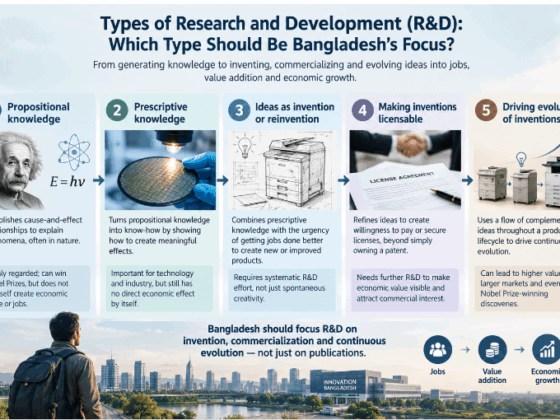
Design thinking has been widely celebrated for helping innovators design products that resonate with consumers’ needs. It gives the impression that Innovation is about art. Anyone with empathy and creativity could be a good innovator. However, without an in-depth understanding of technology possibilities, empathy and creativity do not go far in generating meaningful ideas to alleviating consumers’ pain in Getting jobs done. Hence, it’s time to go beyond design thinking to chalk out a better pathway of innovation by integrating design thinking with technology possibilities.
For groundbreaking inventions like the light bulb, the instant camera, electric vehicles, or Steve Jobs’ revolutionary products like the GUI-based personal computer and the multi-touch smartphone, design thinking alone was insufficient. Instead, each required a convergence of technological advancements alongside consumer-centered approaches. This observation underscores the notion that design thinking should work in tandem with technology possibilities to fuel meaningful innovation and improve customer satisfaction.
Understanding Design Thinking
Design thinking is a structured process for tackling complex challenges of innovation, often broken down into five key steps:
- Empathize: Gaining insight into the needs and experiences of end-users.
- Define: Defining the problem and setting clear objectives.
- Ideate: Generating ideas through brainstorming sessions and exploration.
- Prototype: Creating models or simulations to visualize potential solutions.
- Test: Testing prototypes with users to refine solutions.
This process encourages human-centered design and often leads to innovative solutions by keeping the end-user’s perspective at the forefront. However, by itself, design thinking can fall short of facilitating transformative breakthroughs in technology-intensive industries where scientific and engineering progress shapes what’s possible.
The Role of Technology in Innovation: Historical Case Studies
1. The Evolution of the Light Bulb
The invention and commercialization of the electric light bulb were pivotal moments in modern technology. Although Thomas Edison is credited with inventing the light bulb, the journey toward a functional and efficient light source involved extensive scientific experimentation and engineering innovation, which unfolded over time. The early carbon filaments used in Edison’s bulbs were eventually replaced by tungsten, enabling longer-lasting, more efficient bulbs. Design thinking may have helped identify consumer needs for illumination, but without advances in materials science, a reliable and commercially viable bulb would not have been achievable. Furthermore, without Nobel Prize-winning scientific discovery, just replying on empathy and creativity, how could we have highly efficient LED light bulbs?
2. The Instant Camera by Polaroid
The Polaroid instant camera, developed by Edwin Land, brought the ability to capture and print photos instantly. Land’s idea was inspired by his daughter’s curiosity about why photos couldn’t be produced immediately after taking them. While empathizing with the consumer’s desire for immediacy, Land’s achievement relied on groundbreaking advancements in chemical processes and film technology. The journey from ideation to realization was enabled not by design thinking alone but by pushing the boundaries of chemical engineering and materials science, allowing for real-time image development. Besides, to move further with digital cameras, there was a need for a Nobel prize-winning technology invention based on Einstein’s photoelectric theory. Hence, without going beyond design thinking, how could we have these great ideas?
3. Electric Vehicles (EVs) and Sustainability
The current wave of interest in electric vehicles (EVs), driven by concerns over carbon emissions and environmental degradation, showcases how technological possibilities must evolve alongside consumer expectations. Traditional design thinking could suggest the need for a cleaner and more sustainable form of transportation, yet it’s advancements in battery technology (e.g., lithium-ion batteries), charging infrastructure, and renewable energy integration that have made EVs practical and scalable. Tesla, for instance, didn’t just understand the market desire for greener cars; it leveraged a blend of design thinking and cutting-edge battery and software technology to meet consumer expectations and redefine the automobile industry. Furthermore, Tesla’s idea of EV has been powered by scientific advancement of lithium-ion batteries, being pursued by Panasonic and CTL>
4. Steve Jobs’ Personal Computer and Multi-Touch Smartphone
Perhaps the most iconic example is Steve Jobs’ development of GUI-based computers and multi-touch smartphones. Jobs was deeply attuned to consumer desires for intuitive and accessible technology. However, the innovations that powered the Macintosh and iPhone were possible because of advances in microprocessors, graphic interfaces, and touch-sensitive displays. While Jobs and his team certainly applied design thinking principles, the realization of these visionary products required exploiting the emerging possibilities in semiconductors and software engineering. Without these technical foundations, the iPhone’s fluid multi-touch interface or the Mac’s graphical user interface would have remained mere ideas.
Integrating Design Thinking with Technological Possibilities
These examples illustrate a core principle in modern innovation: design thinking must be coupled with awareness of technology possibilities to drive successful outcomes. As new materials, computational advancements, and scientific discoveries unfold, innovators need to stay informed about these changes to realize their visions fully. This dual approach requires a continuous dialogue between user-centric design and technological research.
Why Technology is Essential for Ideation
- Enabling New Functionalities: Design thinking identifies the desired outcome, but technological advancements determine the feasibility. For example, the development of faster processors and higher-resolution screens made smartphones as powerful as they are today.
- Reducing Costs for Wider Access: Innovations in manufacturing processes, like 3D printing and automation, allow companies to produce goods more efficiently. Design thinking may help define what features are desirable, but technology enables these features to be delivered cost-effectively, making products accessible to a broader market.
- Increasing Product Efficiency: Technological advancements allow products to become more efficient in ways that enhance user experience. In the case of EVs, better battery storage technology has extended range, improved safety, and lowered costs, making EVs more competitive with traditional vehicles.
- Addressing Environmental Concerns: Today’s consumers are increasingly concerned with sustainability. For instance, biodegradable materials and energy-efficient solutions are made possible through technological research, creating an eco-friendly appeal that design thinking alone cannot achieve.
The Synergy of Design Thinking and Technology in Driving Innovation
Technology possibilities serve as a compass for design thinking, enabling designers to understand the boundaries within which they can ideate and innovate. However, the relationship is symbiotic: as innovators understand user needs more deeply through design thinking, they generate demand for new technologies, creating a cycle of continuous improvement.
Consider the role of artificial intelligence (AI) and data analytics in product design today. By leveraging AI-driven insights, designers can predict trends and meet consumer needs in real time, enabling highly responsive and personalized product designs. This technology-assisted design thinking approach allows companies to pivot quickly, meeting the evolving preferences of users.
Toward a Balanced Framework for Innovation
To capitalize on this synergy, companies should build cross-functional teams that bring together design thinkers, engineers, and technologists to collaborate on product development. Here are some strategies for fostering this integration:
- Create an Innovation Task Force: An interdisciplinary team that bridges design thinking and technology research can generate innovative product ideas.
- Invest in Continuous Learning: Encourage teams to stay informed about technological advancements that can influence their products.
- Incorporate Real-Time Consumer Feedback: Use AI and big data to capture consumer responses dynamically, feeding insights into design processes.
- Allocate Resources for Experimental Research: Allocate resources to explore experimental technologies that could enable future product developments aligned with user needs.
Conclusion
Design thinking and technology are both integral to creating successful products that meet evolving consumer needs. While design thinking emphasizes empathy and consumer insight, technological advancements open new possibilities for functionality, efficiency, and accessibility. Real innovation emerges when companies integrate these elements to continually push the limits of what is possible, meeting users’ demands and exceeding their expectations.
In sum, the future of product development lies in combining design thinking with a deep awareness of technology’s unfolding possibilities. By maintaining this balanced approach, businesses can create transformative products that not only resonate with users but also harness the latest advancements in science and engineering to get the job done better. Hence, the urgency of going beyond design thinking is an urgency for innovation success.
Five Key Takeaways of Beyond Design Thinking
Here are five key takeaways from the essay on integrating design thinking with technology possibilities:
- Synergy of Design and Technology: While design thinking emphasizes understanding user needs, technological advancements enable those needs to be met in impactful ways. Breakthroughs in science and engineering are crucial for pushing the boundaries of product functionality and efficiency.
- Historical Examples Illustrate the Integration: Successful innovations like the light bulb, instant camera, and smartphone demonstrate that while design thinking identifies user needs, material science, semiconductor and engineering advancements make these solutions feasible.
- Meeting Consumer Demand Through Cost-Effective Technology: Emerging technologies allow companies to reduce manufacturing costs, improving accessibility without sacrificing quality. This enhances consumer value and broadens market appeal.
- Creating Environmentally Friendly Solutions: Today’s consumers value sustainability, and innovations in biodegradable materials or energy efficiency demonstrate how technology can meet this demand, beyond what design thinking alone could achieve.
- A Framework for Balanced Innovation: For sustainable innovation, companies should establish cross-functional teams of designers, technologists, and engineers who explore new technological possibilities, enriching the design process and aligning with consumer needs dynamically.
Research Questions
Here are five research questions on the intersection of design thinking and technology possibilities in innovation:
- What specific roles do emerging technologies play in each phase of the design thinking process, and how do they impact product outcomes?
- How can organizations measure the success of integrating technology with design thinking to address customer needs in markets with rapidly evolving technological landscapes?
- What are the limitations of design thinking when applied without advanced technology, particularly in complex products like electric vehicles and smartphones?
- How does the synergy of design thinking and technology affect customer satisfaction and product adoption rates in consumer electronics and sustainable product innovations?
- What are the most effective ways to train multidisciplinary teams in balancing design thinking principles with cutting-edge technology advancements in product development?
These questions can guide further exploration of how combining user-centered design and technology-driven innovation can yield more effective solutions.