The Fourth Industrial Revolution (4IR) is no longer just a concept; it is a reality that is reshaping the way we live, work, and interact with the world. Popularized by Prof. Klaus Martin Schwab, founder of the World Economic Forum (WEF), the term has gained widespread recognition among media, political leaders, and the general public. Thanks to ongoing discussions, events, and publications by the WEF, 4IR has become part of our collective vocabulary. However, this revolution comes with both opportunities and challenges, most notably the fear of job losses. Despite many job less clains, people ask questions about the urgency of fourth industrial revolution.
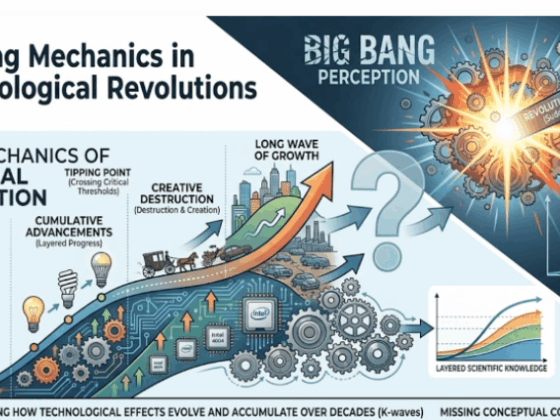
While some argue that, as with previous industrial revolutions, job creation will eventually outpace job destruction, others remain concerned about the urgency of fourth industrial revolution and its long term consequential effects. One thing is certain: Creative Destruction will define the future, and the impact will be profound. Unlike past industrial revolutions, the technology core driving 4IR—comprising sensors, software, connectivity, cleantech, and data—is unique, leading to disruptive effects that will redefine industries, jobs, and economies.
Addressing Two Pressing Urgencies
At the heart of 4IR are two critical challenges: the need for cleaner energy and overcoming the cognitive limitations of humans. Addressing these challenges will lead to the Reinvention of major products and processes, unleashing waves of Innovation and disruption.
1. Overcoming Human Cognitive Limitations
Human cognitive capabilities have natural limits. For example, the 700-millisecond response time required for decision-making is a significant factor in road accidents and other critical failures. In industries where precision, safety and speed are crucial—such as food processing and precision manufacturing—human involvement often leads to errors, inefficiencies, and contamination risks.
To overcome these limitations, technologies like artificial intelligence (AI), automation, and machine learning are being developed to take over decision-making roles. This shift is not just about efficiency; it is about removing humans from processes where their presence introduces variability, safety hazards and risk. The deployment of sensors, connected devices, and advanced software will automate tasks, improve safety, and reduce waste. However, this also means significant job displacement in sectors where human roles are replaced by machines.
2. Transitioning to Cleaner Energy
The second major challenge is the transition from fossil fuels to renewable energy. Fossil fuels are a major contributor to climate change and public health issues. Addressing this requires a shift toward sustainable energy technologies such as:
- Solar power
- Wind energy
- Battery storage systems
- Hydrogen fuel cells
These technologies are not only essential for environmental sustainability but also for economic reinvention. As countries adopt clean energy solutions, industries dependent on traditional energy sources will face disruption, leading to the decline of old markets and the rise of new ones. This transition will spark another wave of creative destruction, affecting everything from transportation to manufacturing.
Waves of Creative Destruction: Rise, Fall, and Migration of Prosperity
As these two challenges are addressed, long waves of creative destruction will unfold, leading to the rise and fall of industries and the migration of prosperity across regions. This process will define the economic landscape throughout the 21st century.
Job Disruption and Creation
One of the most significant concerns of 4IR is its impact on employment. The automation of tasks and the replacement of human cognitive roles will lead to job losses, particularly in replication economies—less developed countries that rely on labor-intensive industries. These economies are likely to face significant challenges as traditional jobs are automated, leading to social and economic disruptions.
However, advanced economies with strong capacities for research and development (R&D) will benefit from exponential job growth. The demand for highly skilled workers in fields like AI development, robotics, and renewable energy will drive prosperity in these regions. Jobs will shift from routine tasks to innovation-driven roles, emphasizing the importance of education and reskilling.
The Impact on Industries
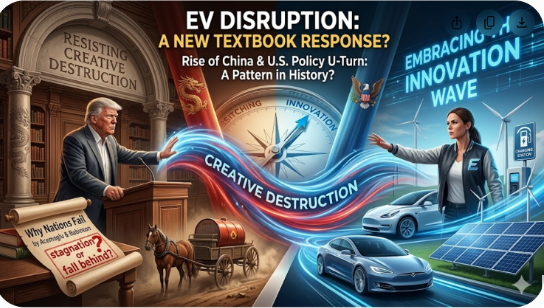
Industries that fail to adapt to the changes brought about by 4IR will decline, while those that embrace innovation will thrive. For example, the automotive industry is undergoing a transformation with the rise of electric vehicles (EVs) and autonomous driving technologies. Similarly, the energy sector is shifting from fossil fuels to renewable sources, leading to new opportunities and challenges.
The Need for a Shared Understanding
Despite the widespread awareness of 4IR, there is still a lack of clarity about its full implications. This uncertainty has led to varying interpretations and incomplete understanding. To navigate this transformation successfully, it is essential to develop a shared common understanding of 4IR’s challenges and opportunities.
Maximizing Benefits and Minimizing Pains
A collective effort is needed to maximize the benefits of 4IR while minimizing its transformational pains. This includes:
- Investing in education and reskilling: Preparing workers for new roles in an innovation-driven economy.
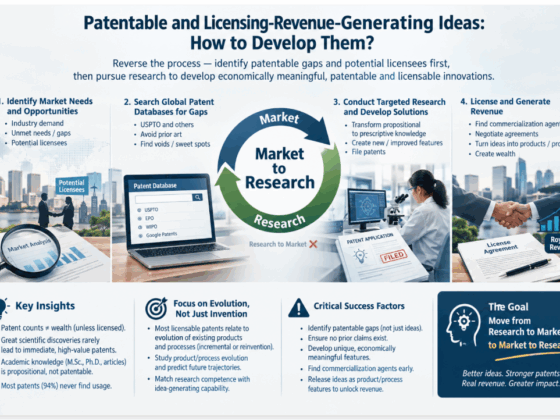
- Supporting innovation and R&D: Encouraging collaboration between academia, industry, and government.
- Promoting inclusive growth: Ensuring that the benefits of 4IR are widely shared and that vulnerable populations are protected.
- Fostering sustainability: Aligning economic growth with environmental goals through clean energy adoption.
Conclusion: Embracing the Future
The Fourth Industrial Revolution is both an opportunity and a challenge. It offers the potential for unprecedented innovation and economic growth but also poses significant risks in terms of job displacement and industry disruption. By addressing the urgent needs for cleaner energy and overcoming human cognitive limitations, we can unlock the full potential of 4IR.
Through collaboration, innovation, and a shared understanding of its implications, we can navigate the waves of creative destruction and build a future that is more prosperous, equitable, and sustainable for all. The journey will not be easy, but with proactive strategies and a commitment to inclusivity, the transformative power of 4IR can be harnessed for the greater good.
Five Key Takeaways from the Urgency of Fourth Industrial Revolution
- Addressing Two Critical Challenges: Cognitive Limitations and Clean Energy
The Fourth Industrial Revolution is driven by the urgency to overcome human cognitive limitations and transition to cleaner energy. Technologies like AI and renewable energy solutions are at the forefront of this transformation, enabling efficiency and sustainability. - Automation and the Replacement of Human Cognitive Roles
Innovations in sensors, AI, and connectivity are automating tasks that were previously dependent on human cognition. This shift enhances productivity and safety but leads to job displacement, especially in labor-intensive sectors. - Creative Destruction and Industry Disruption
Waves of creative destruction will redefine industries, with some declining and others emerging stronger. Traditional sectors like fossil fuels and manual manufacturing will give way to industries focused on renewable energy and advanced automation. - Job Shifts and Economic Migration
Job losses are expected in replication economies, while advanced economies with strong R&D will see growth in high-skill, innovation-driven roles. Education and reskilling are crucial for adapting to these changes and ensuring equitable opportunities. - Collaboration and Inclusive Growth
A shared understanding and collective action are essential to maximize benefits and minimize pains. Investments in sustainability, innovation, and inclusive policies will help ensure that the Fourth Industrial Revolution leads to widespread prosperity and minimizes social disruption.
Five Research Questions on the Urgency of Fourth Industrial Revolution
- How can artificial intelligence (AI) and automation mitigate human cognitive limitations while maintaining ethical considerations?
- This question explores how AI can enhance decision-making and efficiency, especially in high-risk sectors like healthcare and transportation, while addressing concerns about bias, accountability, and fairness in automated systems.
- What strategies can developing countries adopt to mitigate job losses caused by automation and technological displacement?
- Focuses on how replication economies can transition from labor-intensive industries to knowledge-based economies through education, reskilling, and investments in emerging technologies.
- What are the economic and environmental impacts of transitioning from fossil fuels to renewable energy technologies?
- Investigates the potential for renewable energy to drive economic growth, reduce carbon emissions, and create new industries, while also examining challenges in energy storage, grid management, and policy alignment.
- What role does lifelong learning and upskilling play in preparing the workforce for jobs of the future?
- Examines how education systems and training programs need to evolve to equip workers with skills in AI, robotics, and clean energy, emphasizing the importance of STEM fields and digital literacy.
- How can policymakers design inclusive frameworks to ensure equitable distribution of benefits from the Fourth Industrial Revolution?
- Focuses on creating policy frameworks that promote inclusive growth, protect vulnerable populations, and foster innovation through public-private partnerships, tax incentives, and social safety nets.