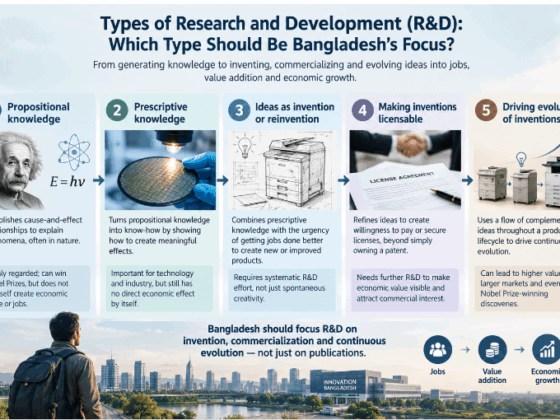
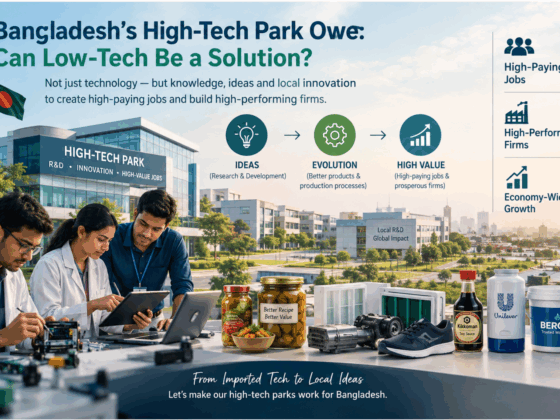
All significant products like computers, televisions, and automobiles have been evolving through Reinvention. For example, the computer has already been reinvented several times. Similarly, the telephone and television have been reinvented. Reinvention takes place by changing the matured technology core with the emerging one. Hence, assessing technology readiness for reinvention highly matters.
For example, automobiles are now being reinvented by replacing the matured internal combustion engine with the lithium-ion battery technology core. Similarly, the camera was reinvented by replacing matured film technology with the electronic image sensor. In the reinvention mission, innovators face a daunting decision-making challenge regarding the readiness of emerging technology cores to replace the matured ones. Due to the competition, innovators cannot wait until technology matures and risk of functioning of disappears.
Assessing technology readiness for reinvention has been a vital challenge for management decisions. Both premature adoption and unjustified rejection are harmful. For example, Kodak suffered from Disruptive Innovation effects because it failed to properly assess the latent potential of emerging digital imaging technology core. On the other hand, Meta has been failing to sustain investors’ confidence due to the risks of the rising metaverse as a strong force of creative wave of destruction.
We all know the stories of the fall of behemoths and the rise of tiny new entrants due to disruptive innovations caused by the reinvention of matured products. Reinvention waves are both opportunities and threats. As emerging technology core plays a critical role, technology readiness decision for reinvention is paramount. NASA has developed a technology readiness framework to assess the readiness of a technology to meet its mission objective. Although NASA’s nine technology readiness levels serve NASA’s decision-making purpose, is that framework sufficient for assessing the readiness of emerging technologies in pursuing reinvention missions?
Importance of technology readiness model
The technology readiness level aims to help management make decisions concerning the development and transitioning of technology. Some of the benefits of the technology readiness assessment model or framework are as follows:
- Providing a common understanding of technology status
- Managing risk
- Make decisions concerning technology funding
- Taking decisions concerning the transition of technology
History of NASA’s Technology Readiness Framework
- Technology readiness levels (TRLs) were conceived at NASA in 1974; subsequently, they were formally defined in 1989 as seven maturity levels.
- In the 1990s, the US Air Force started adopting the framework.
- In 2001, the US Department of Defense formally announced the adoption of TRLs
- In the 2003 DOD Technology Readiness Assessment Deskbook.
- In the mid-2000s, the European Space Agency started adopting the TRL
NASA’s technology readiness level
Unfolding requirements of space missions have been crossing the limit of existing technologies—creating the demand of technology transition. Hence, NASA has always demanded an emerging technology core. As technologies begin the journey in an embryonic form and are amenable to progression, there is a need to manage the progression and determine whether candidate emerging technology cores reach the required level.
Technology needs to reach the desired maturity level to minimize the risk and determine the suitability of meeting space missions with emerging technology better than ever before. To support its mission needs, NASA has developed nine technology readiness levels (TRLs):
- TRL 1—basic principles were observed and reported, like using time-of-flight information of laser pulses for measuring the distance of obstacles.
- TRL 2—the technology concept and application are formulated.
- TRL 3—proof of concept demonstration with analysis and experimentation.
- TRL 4—breadboard validation in the laboratory environment.
- TRL 5– breadboard validation in the relevant target application environment.
- TRL 6—system/subsystem prototype demonstration in the target application environment.
- TRL 7—system prototype demonstration in the ultimate target environment, like space for NASA.
- TRL 8—actual system completed and qualified through test and demonstration data.
- TRL 9– an actual proven system through successful mission operation.
NASA’s rigorous approach to developing and advancing technology concepts is quite helpful in meeting mission goals. Unless the technology matures to meet mission goals, technology is not ready for deployment. However, such an approach is only partially suitable for assessing technology readiness to reinvent matured products and profit from nurturing and winning reinvention waves.
Nature of reinvention and challenges of creating success
- primitive emergence as an alternative to matured products—for pursuing a reinvention wave, innovators cannot wait for adequate maturity of the technology so that reinventions appear as a better alternative to matured products. Instead, the technology adoption journey begins at an early stage of the life cycle, offering primitive alternatives to matured products.
- loss-making beginning—due to premature entry, reinvention waves emerge in generating a loss—due to poor quality and high cost. The profiting success depends on the evolution of the technology. Hence, technology readiness for fueling reinvention wave requires knowing how far technological advancement will keep increasing the quality and reducing the cost.
- misleading early progress—despite encouraging early progress, sometimes innovators encounter a situation in which target technology slows down before crossing the threshold set by the incumbent matured ones.
- competing technologies—innovators often pursue multiple technology cores to offer better alternatives to matured products. There has been a race between competing technologies. Hence, the readiness assessment demands the feasibility of winning the race.
- sustaining innovation challenge due to competition—to profit from the reinvention wave, innovators face the challenge of releasing successive better versions for sustaining innovation in the competition race. Hence, the technology core should be amenable to progressing to keep releasing better versions.
Example of technology readiness for reinvention—electronic image sensor for camera reinvention
- adoption started prematurely—although the digital camera has been a great success story of reinventing film camera, its electronic image sensor technology core started adoption before becoming better performing than the film—making it suitable for a better camera.
- readiness assessment challenge—the challenge of assessing readiness for selecting an electronic image sensor for the reinventing camera was not limited to determining whether it reached the state of offering better performance than the film. Instead, the innovators faced the challenge of whether there was latent potential for electronic image sensors to grow as better alternative.
- need for serving a unique purpose—mere change of technology core in doing the same job, in the same way, does not make the technology ready for reinvention. For offering readiness, the candidate technology core must provide unique features to serve requirements that cannot be addressed with the existing ones.
- scalability to serve mainstream customers—often, reinvention begins the journey of addressing unserved requirements—known as the non-consumption market. However, the technology core must be suitable to grow as a better alternative to qualify in serving the mainstream market.
- Decision-making failure—technology readiness assessment for reinvention suffers from decision-making failure, not due to the risk of failure in operation—like in the space mission. Instead, decision-making failure occurs due to inaccurate assessment of latent potential, likely creating scale, scope, and network effects along with the life cycle.
Challenges in assessing technology readiness for reinvention
- early stage in the life cycle—unlike NASA’s challenges, the challenge of determining technology readiness for reinvention is about evaluating the candidacy at the early stage of the life cycle. Based on such an assessment, adopting and releasing reinventions as a premature alternative should be made instead of waiting for a matured, risk-free state.
- long runway of growth—the success of technology readiness for supporting the reinvention wave depends on the length of the runway of further advancement. Such an attribute is vital to justify the adoption at an early stage, far ahead of the competition. Besides, the length of the runway of advancement plays a critical role in supporting the release of successive better versions.
- getting better and cheaper—invariably, reinvented products around an emerging technology core show up in primitive form as a costlier alternative. Their success in penetrating the mainstream market depends on the evolution of the technology core, making the products increasingly better and cheaper. Hence, technology readiness assessment for reinvention must be sure of it.
- crossing the threshold and beyond—the success of reinvention depends on the extent of evolution, crossing the threshold and going beyond. Technology readiness assessment must consider this attribute of the candidate technology cores.
- amenability to fusion—along with the evolution, features are added and modified with the fusion of a growing number of component technologies strengthening the technology core. Therefore, the assessment of readiness must consider the scope of fusion.
- meeting unfolding consumer preferences—the reinvention success depends on addressing unfolding consumer preferences. Hence, the candidate technology core for reinvention must be suitable to grow and support the implementation of a growing number of features.
- resource requirements and negative externalities—natural resource requirements and negative externalities play a vital role in the evolution and diffusion of reinvention. Hence, their footprints of candidate technology must be taken into consideration of technology readiness.
- creating scale, scope, and Network effect—unlike NASA’s mission objectives, reinvention success depends on creating scale, scope, and positive Externality Effect distilling from the evolution of the candidate technology core.
Summing up
NASA waits or nurtures technologies for mission fitness until they reach proven performance in attaining mission objectives, whether exploring Mars’s surface or sending a man to the moon. Hence, for assessing step-wise progression, NASA has developed nine levels of technology readiness model. However, this model does not appear to be suitable for selecting the candidate technology and its maturity level for making an entry to pursue a reinvention wave.
Instead of maturity and proven performance, technology readiness for reinvention focuses on assessing the latent unique attributes and potential for making an entry with premature reinventions and evolving them through creating scale, scope, and positive externalities. Therefore, despite the merit of NASA’s novel technology readiness framework, such a model is not suitable for assessing the readiness of technology cores to profit from making entry, pursuing and winning the reinvention race.